(Via Libraryland.)


We know what people think: Dewey, glasses, shushing, books, hairbuns, Party Girl and card catalogs. Yes, we know what people think. We know that the American, library profession is approximately 80% White and 72% female; and we know that tens of thousands of librarians are expected to reach age 65 in the next 5 years. We also know that this is not us.
There is an entire population of professional librarians out there who disagree with the way the library profession is perceived in contemporary media outlets and in the historical consciousness of the American mind. Different people and different associations will use different means to try to change those perceptions. This is ours.
The Men of the Stacks project was first conceived a couple of years ago after learning of the publication of another library-themed calendar. Our first reaction to that calendar? “Well, cool but…where are all the men?” There was another, earlier calendar that featured only male librarians, but we felt it didn’t quite capture the way we saw ourselves. In both cases, either the stereotype was reinforced or it didn’t go far enough in breaking free of it.
One of our models, Von, captured the spirit of this calendar beautifully:“We can’t just leave it to others to tell the people who we are; that’s why the stereotypes about librarians continue to flourish. We have to be the ones to go out there and tell people who we are. It’s not enough to complain about inaccurate images of librarians; we must be able to present alternative, positive images in movies, books and, yes, blogs.” — Filipino LibrarianWho are we? We are The Men of the Stacks.
Now, he adds, calendars should be added to the list. So, who are we? What do we want to tell you about who we are? What are these alternative images? Easy. We are, or course, professionals. We are educators, programmers, project managers, entrepreneurs, program coordinators, contractors, consultants, and speakers. We are academics. We are authors, diversity officers, historians, administrators, deans, professors, and researchers. We are creatives. We are musicians, bakers, painters, and storytellers. We are athletes, yogis, gym-rats, runners, and hikers. We are passionate. We are dog-lovers, radicals, conservatives, Christians, and Buddhists. We are in our twenties. We are in our forties. We are in relationships. We are perpetual bachelors. We are privileged beings who try to use their advantages to better the lives of others.


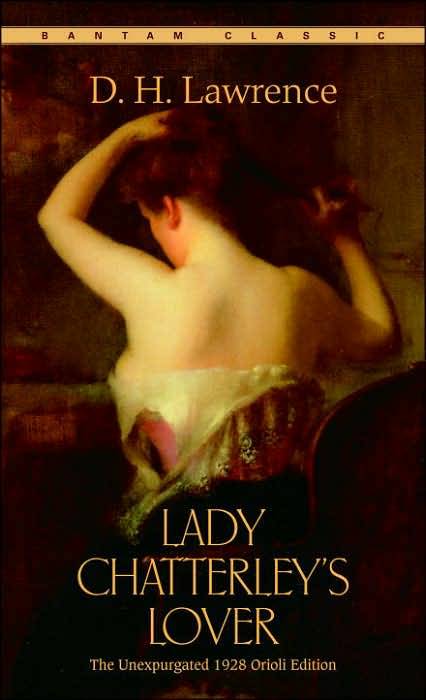
The publication and sale of this book led to obscenity trials in the U.S., Britain, Canada, Australia, Japan, and India.
(Via Libraryland.)


There are a lot of positive aspects to what's been going on in Lower Manhattan courtesy of the Occupy Wall Street movement but there is one part in particular that was unexpected. It is the makeshift library that has sprung up to provide protestors with some reading material.

Quite a few people have been camping out, some since it all began on September 17, so it is great to see that they have the ability to feed their mind while they participate in the occupation.

Titles include Orwell's Animal Farm, a biography of Emma Goldman, Nick Hornby's Housekeeping vs. Dirt, a collection of his bookish pieces from The Believer, and a copy of Democracy in America by De Tocqueville among many others.
(Via Book Patrol.)


The Marine Corps encourages Marines to explore and engage in social media communities at a level they feel comfortable with. The best advice is to approach online communication in the same way we communicate in person — by using sound judgment and common sense, adhering to the Marine Corps’ core values of honor, courage and commitment, following established policy, and abiding by the Uniform Code of Military Justice (UCMJ).
The social media principles provided in this handbook are intended to outline how our core values should be demonstrated, to guide Marines through the use of social media whether personally involved or when acting on behalf of the Marine Corps.


So many books are thrown away each year, and although recyclable, the emotional bond that is attached to books seem to make them more appropriate for re-use than recycling. The idea for a shelf made from books seems almost obvious, and the process from concept to completion was more of a refinement of function than of aesthetic intricacies. The shelf gained widespread media attention and was published in several magazines.Via The Bookshelf
What evil stepmothers and conniving wolves have to do with understanding the future of reading.
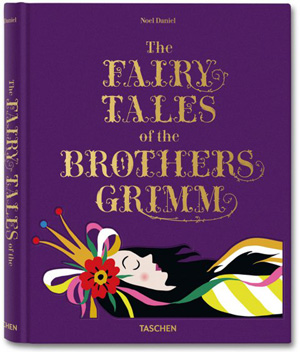 The fairy tales of the Brothers Grimm, part of UNESCO’s Memory of the World Register for the preservation of cultural documents, have been delighting and terrifying children since 1812, transfixing generations of parents, psychologists, and academics. The Fairy Tales of the Brothers Grimm is an astounding new volume from Taschen editor Noel Daniel bringing together the best illustrations from 130 years of The Brothers Grimm with 27 of the most beloved Grimm stories, including Cinderella, Snow White, The Little Red Riding Hood, and Sleeping Beauty, amidst artwork by some of the most celebrated illustrators from Germany, Britain, Sweden, Austria, the Czech Republic, Switzerland, and the United States working between the 1820s and 1950s.
The new translation is based on the final 1857 edition of the tales, and stunning silhouettes from original publications from the 1870s and 1920s grace the tome’s pages, alongside brand new silhouettes created bespoke for this remarkable new volume.
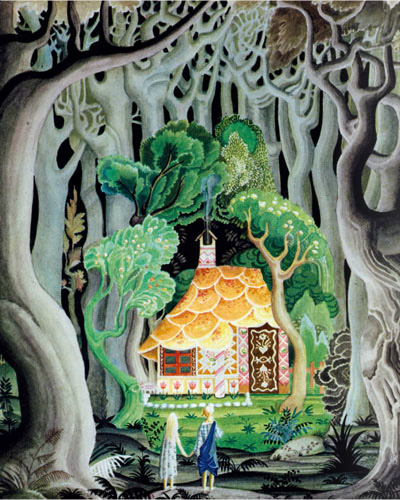
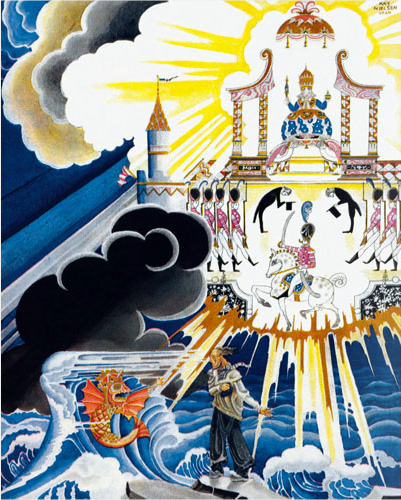
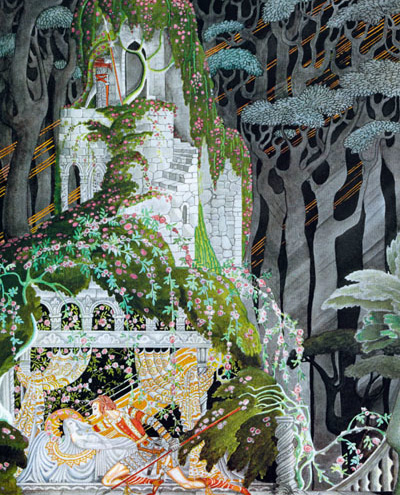
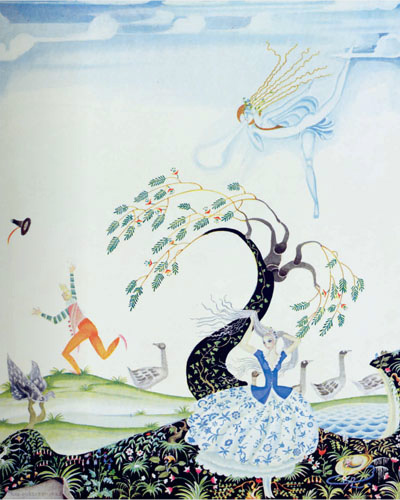
An introduction by Daniel explores the Grimms’ enduring legacy, from the DNA of fairy-tale scholarship to the shadow play and shape-shifting at the heart of the stories, and a preface to each tale frames it in its historical and sociocultural context.
The Grimms’ were a vital engine for a whole new caliber of artistic activity [...] Suddenly, artists across the Western world could make a living illustrating books, and they found a solid foundation for new work in the heroes and princesses, talking animals, dwarfs, and witches of fairy tales. The tales were an important part of each technological advancement along the way, and the best of this visual iconography still influences artist, art directors, filmmakers, and animators today [...] Even as our modes of reading continue to change with new technologies, taking a measure of the interactivity of text and image in past treasures helps us understand the changing landscape of reading in the future.”
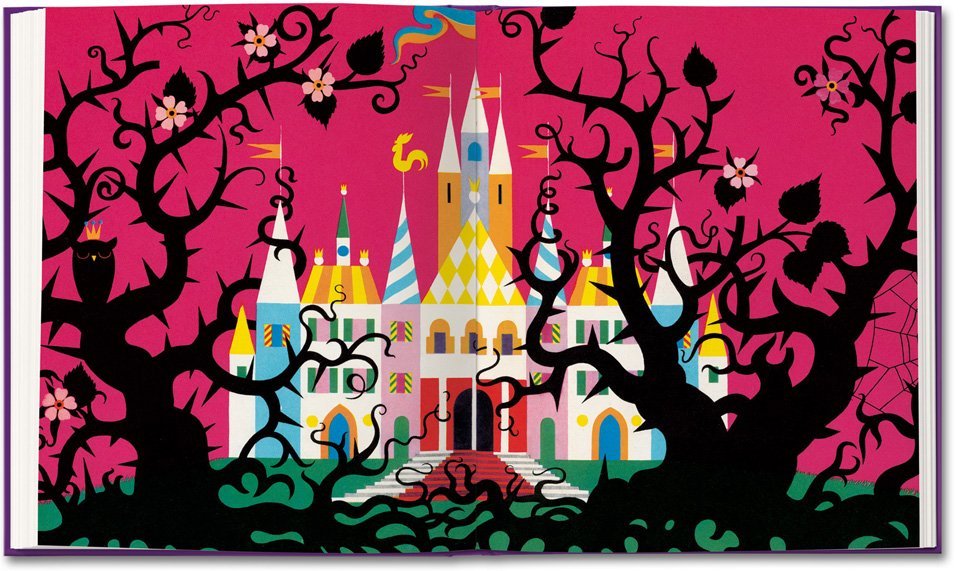
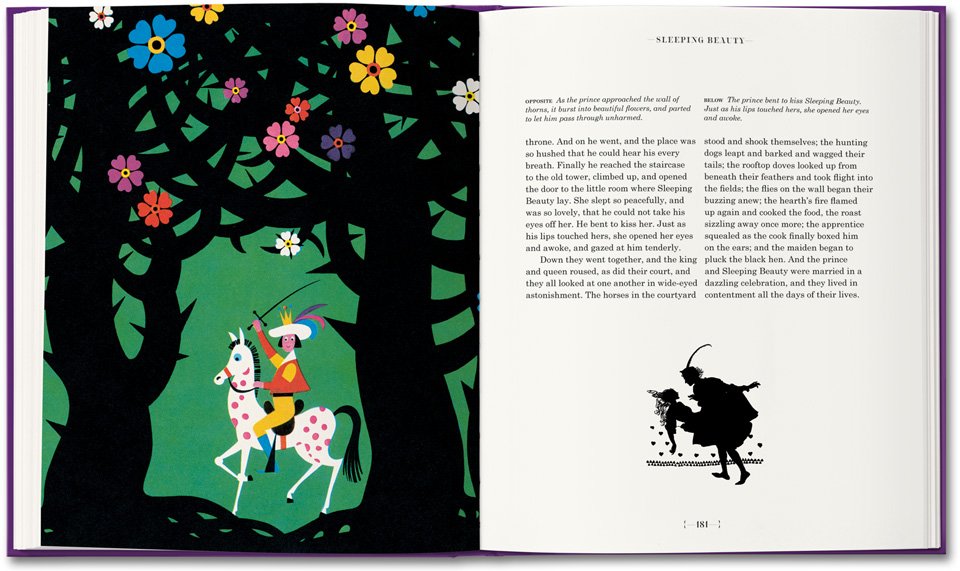
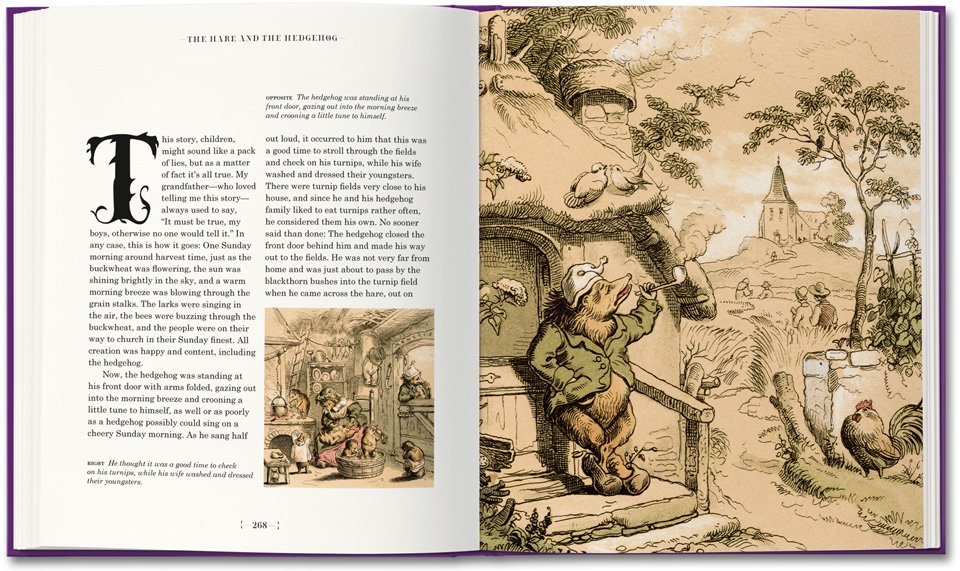
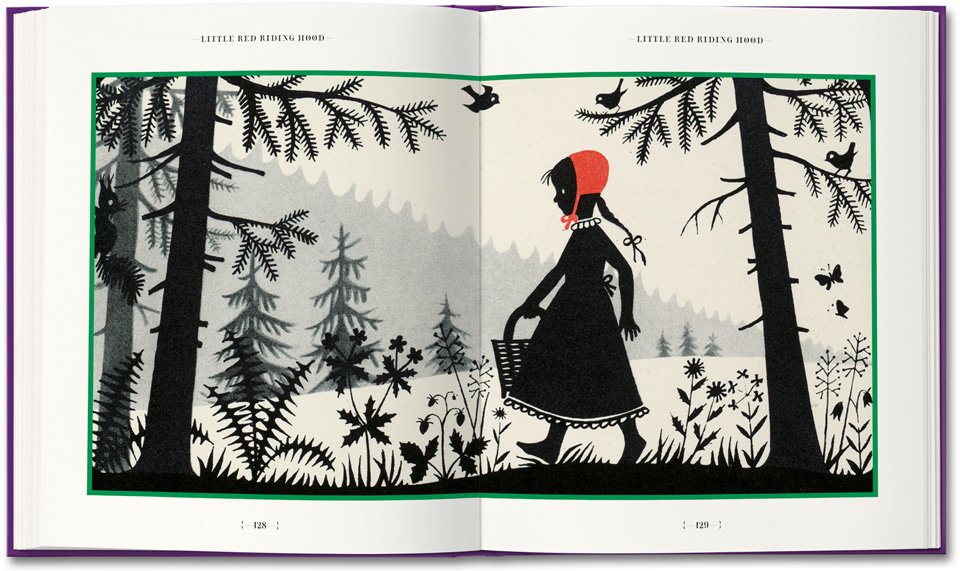
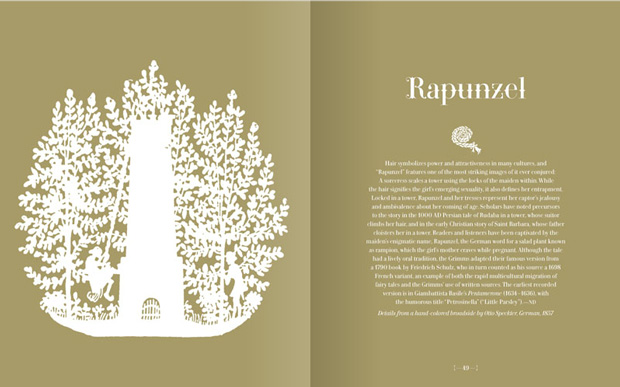
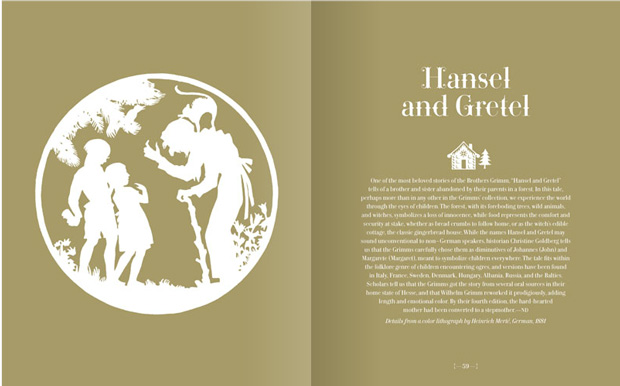
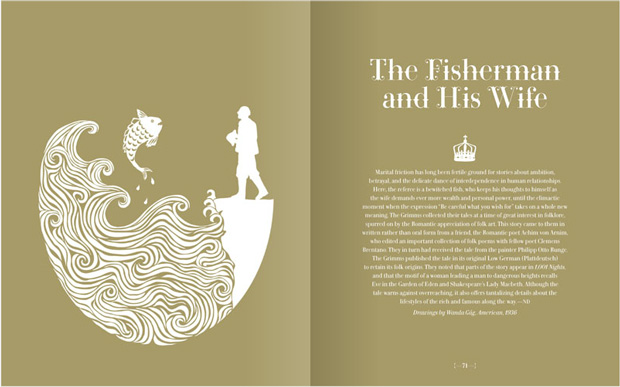
And in case you were wondering why Taschen, purveyors of high-end and often risque art and design books, are doing a children’s book, they’ve got a thoughtful answer:
Taschen recently celebrated its 30th anniversary. We have many readers who have come of age with us and are now have their own families. These readers are interested in beautifully produced children’s books that take seriously a child’s exposure to stories and images with depth and historical meaning. We wanted The Fairy Tales of the Brothers Grimm to embody our mission to create meaningful books that are timeless yet original, modern but classic.”
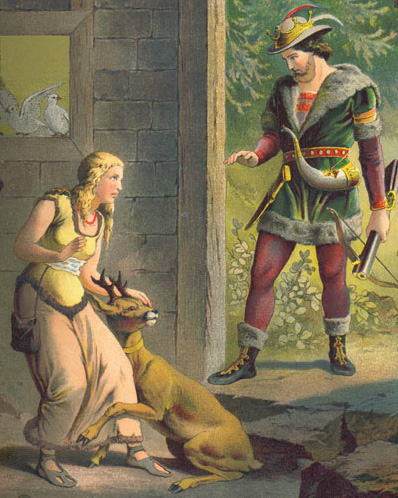
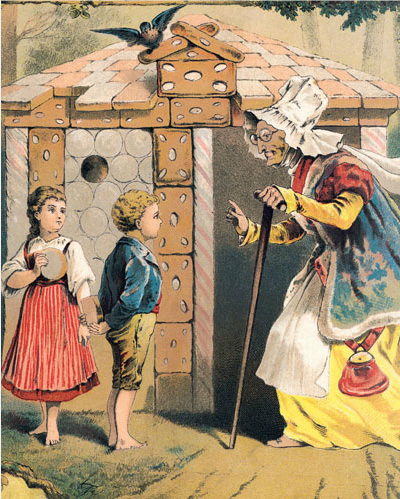
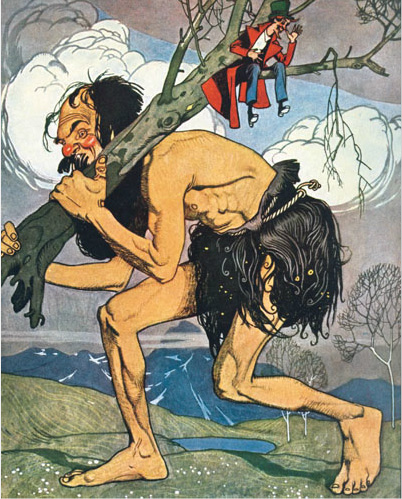
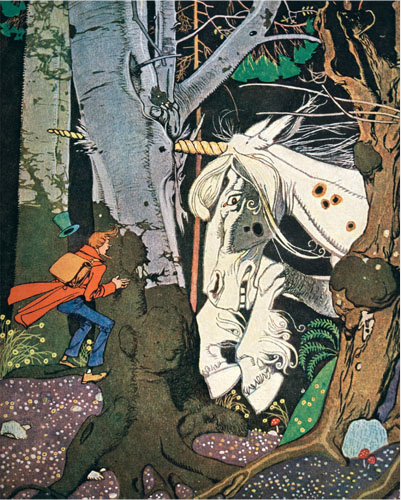
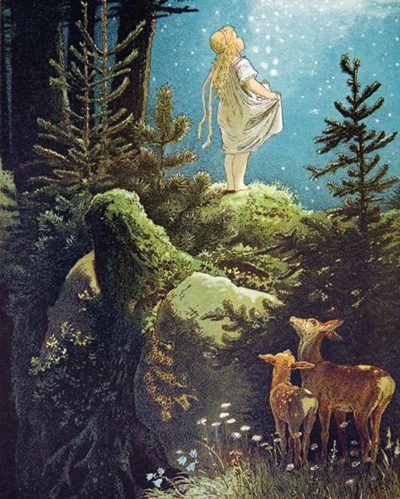
Rigorously researched and breathtakingly art-directed, The Fairy Tales of the Brothers Grimm is a whimsical wonderland in its own right, blending seminal cultural history with our private individual nostalgia in an utterly gorgeous volume to charm the design lover, the history buff, and the eternal kid all at once.
Some images courtesy of Taschen
(Via Brain Pickings.)
With the launch of the Kindle Fire tomorrow, John Biggs over at TechCrunch thought it would be fun to write a little bit sci-fi and imagine what the publishing market will look like in the next ten or so years.


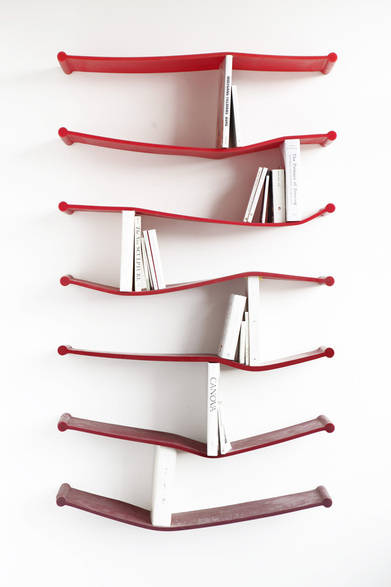 Luke Hart created these rubber bookshelves for The Sculpture House. They have the delightful impracticality of all the everyday objects crafted from rubber that appear in old Warner Brothers cartoons, and the bright red coloring is an especially nice touch.
(via Bookshelf)

"
(Via Boing Boing.)